Players vs. Providers: Who Really Controls the Odds of Winning?
When diving into the world of online gambling, one question often pops up in players’ minds: Who really controls the chances of winning — the players or the game providers? This is a topic full of myths, assumptions, and often, misconceptions. Understanding how the odds work, who sets them, and what role players have can make the gambling experience not only more transparent but also more enjoyable and responsible.
The Role of Game Providers: Setting the Stage
Game providers are the companies behind the slots, table games, and other gambling products. They design, develop, and program the games, and importantly, set the rules and odds. But what does this mean in practice?
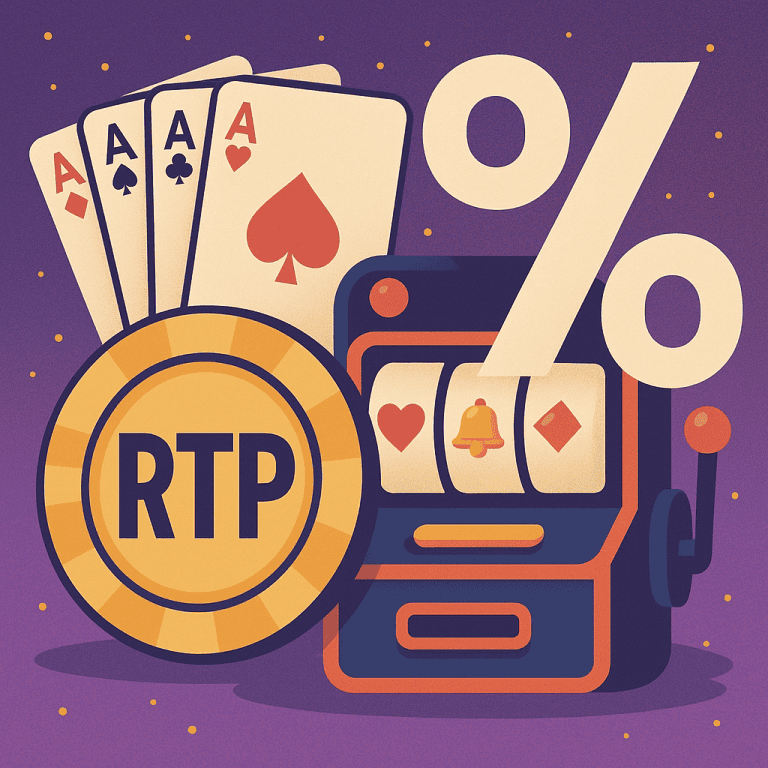
At the core, providers determine the Return to Player (RTP) rate — the percentage of wagered money a game is designed to return to players over time. For example, a slot with an RTP of 96% theoretically pays back $96 for every $100 wagered in the long run.
Besides RTP, providers also program the Random Number Generator (RNG), a crucial piece of technology that ensures every spin or card dealt is random and unpredictable. This RNG creates fair gameplay and prevents any tampering with outcomes once the game is live.
Because of these factors, providers have the technical and mathematical control over the game’s odds, payout percentages, and fairness. However, it is essential to understand that RTP is a long-term statistical expectation, not a guarantee for any individual player session.
Regulatory Oversight: Keeping Providers in Check
To ensure fairness and protect players, online casinos and game providers are subject to licensing and regulation by independent authorities such as the UK Gambling Commission, Malta Gaming Authority, or Curacao eGaming.
These regulators require providers to:
- Use certified RNGs tested by third-party auditors
- Maintain transparent RTP settings
- Prevent game manipulation
- Provide fair and honest games to players
This regulatory oversight reduces the risk that providers can “rig” games unfairly against players. Licensed providers must comply with strict rules or risk losing their licenses and reputations.
The Player’s Role: Choice and Strategy
While providers set the odds, players are not powerless. The chances of winning or losing on a single spin or hand are random, but players influence their overall gambling experience through decisions and strategies.
Here are some ways players can affect their outcomes:
- Game Selection: Choosing games with higher RTPs or favorable variance increases the chance of longer, more balanced play. Some slots offer RTPs over 98%, while others may dip below 90%.
- Bankroll Management: Controlling how much to bet and when to stop protects players from losing too much in volatile games.
- Understanding Rules: Knowing the payout structures, bonus features, and rules helps players make informed decisions and maximize opportunities.
- Using Bonuses Wisely: Bonuses can boost playtime and bankroll, but players must read wagering requirements carefully to avoid surprises.
These aspects show that while players can’t control randomness, they can control their approach, risk, and choices — which in turn affects how often and how much they win or lose over time.
Common Misconceptions: What Players Often Get Wrong
There are several myths about who controls the outcomes, many fueled by misunderstanding of randomness and probability:
- “The casino/game controls the exact moment I win or lose.”
The truth: Outcomes are determined by RNGs and are independent each time you play. There’s no preset schedule for wins or losses. - “If I keep playing, I will eventually win because the game owes me.”
The truth: While RTP indicates long-term returns, it does not guarantee a win in any session. Each spin is independent. - “Bonuses are tricks to make me lose.”
The truth: Bonuses can be beneficial but come with conditions. Understanding them helps players decide if they add value. - “Some people can ‘hack’ or predict the game.”
The truth: Certified RNGs and regulations make hacking or prediction virtually impossible.
The Balancing Act: Providers Want Players to Win Too
It might seem counterintuitive, but game providers and casinos actually benefit when players win. Why? Because winners spread positive word-of-mouth, keep the games exciting, and encourage longer play sessions.
Providers design games to balance house edge and player appeal. A slot that never pays out would quickly lose its audience. The goal is a sustainable business model where players have a fair chance to win, but the casino maintains a statistical advantage.

So, Who Really Controls the Odds?
In short:
- Providers control the technical odds and design of games through RTP, RNGs, and game features.
- Regulators ensure providers follow fair practices and keep the odds honest.
- Players control their gambling habits, choices, and risk management, which affect their personal chances of winning or losing in the short term.
No one party has absolute control — the system is built on a foundation of mathematics, technology, and regulation designed to create fairness. Players who understand this balance can enjoy gambling as entertainment without falling for false hopes or unfair fears.
Final Thoughts: Play Smart, Know Your Odds
Understanding who controls the odds helps players set realistic expectations. Winning or losing is part of gambling, but it is not about beating the system — it’s about playing smart within the system.
Choose games wisely, manage your bankroll carefully, and trust in licensed providers and regulators to ensure fairness. This mindset allows gambling to be a fun and thrilling activity rather than a frustrating or risky gamble.
The odds are there, clear and fair. The rest depends on how you play your cards.