How Roulette Strategies Actually Work
Roulette looks simple, but players often try to outsmart the wheel. Behind each spin lies a balance of randomness, risk, and human psychology. Strategies promise control, but the truth is more nuanced.
Martingale and Its Pitfalls
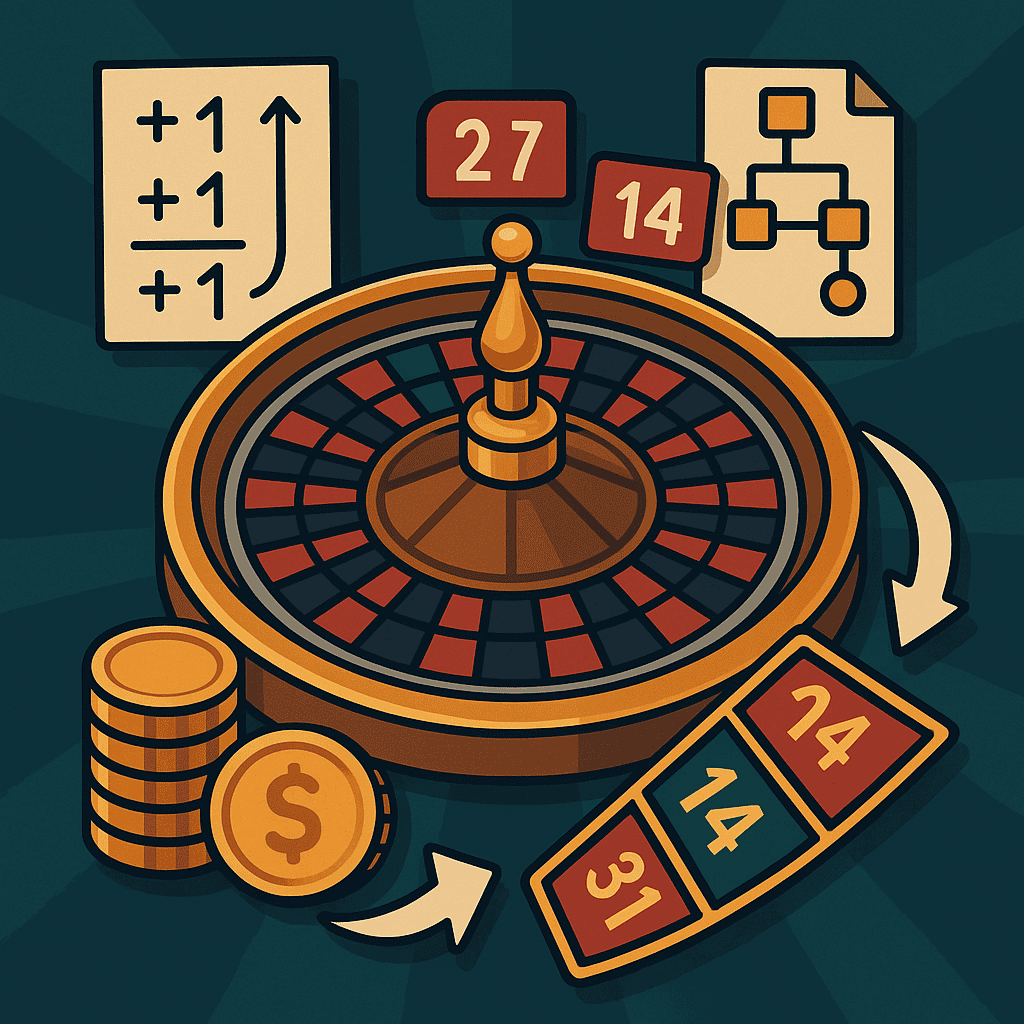
Martingale is the most famous strategy. After every loss, you double your bet to recover the previous loss and earn a small profit once you win. In theory, it works. In practice, limits exist.
Casino table limits and finite bankrolls make this strategy risky. A long losing streak can wipe out your balance quickly, and you may hit the table cap before you break even. Martingale can deliver short-term wins, but it’s a high-stakes gamble in disguise.
D’Alembert: Safer, but Slower
The D’Alembert system is a more moderate alternative. You increase your bet by one unit after a loss and decrease it after a win. This softens the risk curve and helps manage variance.
It’s less volatile than Martingale, but it assumes a win will eventually balance a loss, which is not guaranteed. Randomness has no memory, and bad streaks happen.
Fibonacci and Other Progressions
The Fibonacci method follows the famous sequence: 1, 1, 2, 3, 5, 8… After each loss, you move to the next number. After a win, you step back two positions.
It spreads risk better than Martingale but shares a similar flaw. No strategy changes roulette’s odds. The house still holds the edge, especially with the added green zero on European wheels and two zeros in American roulette.
Other progressions like Labouchere or Oscar’s Grind offer structure, but they rely on patterns that don’t exist in truly random games.
Managing Expectations
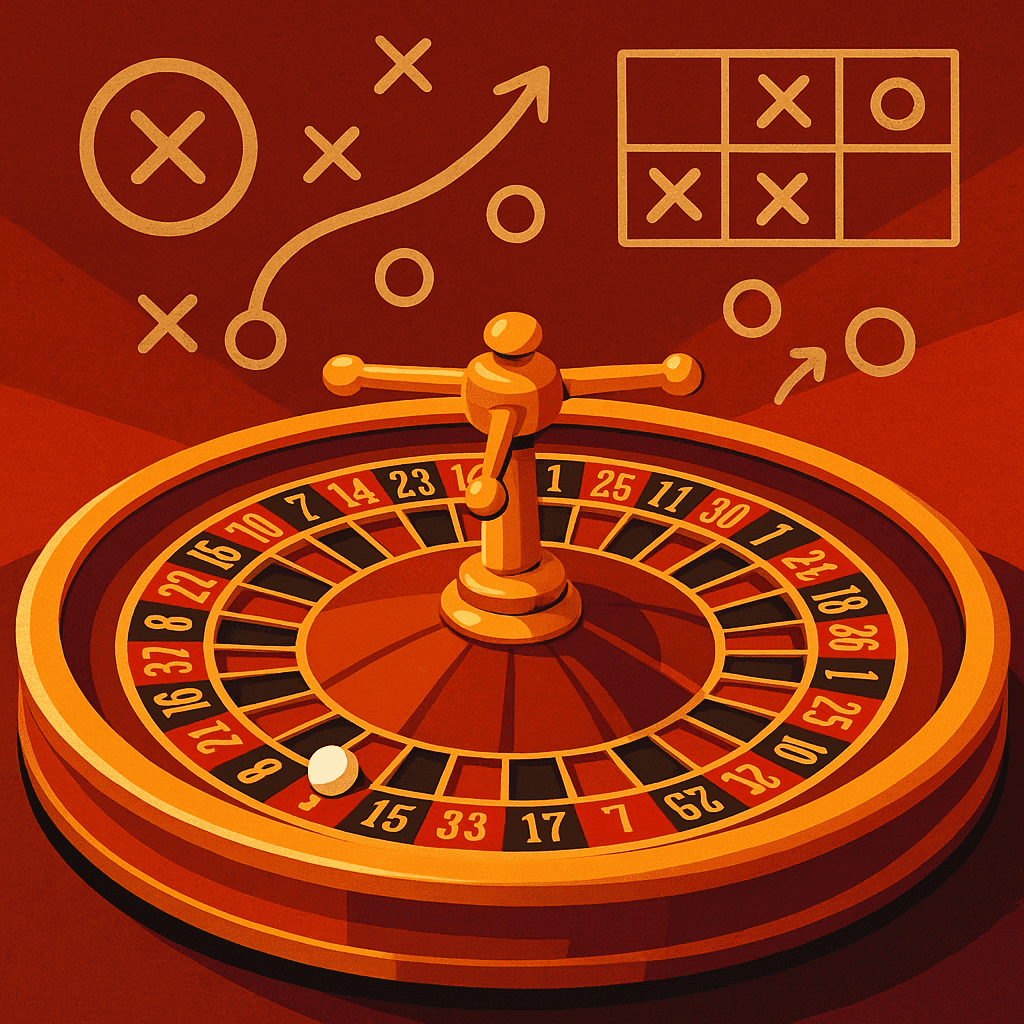
No strategy eliminates risk. The only guaranteed way to prolong gameplay is through strict bankroll control. Set a budget, stick to it, and know when to stop.
Roulette is a game of chance, not skill. Strategies can help with discipline, but they won’t beat the math. The goal should be entertainment, not chasing losses.
Final Thoughts
Strategies add structure, but not certainty. The wheel doesn’t remember, and no system can predict where the ball will land. Play smart, enjoy the game, and treat any win as a bonus.