RTP in Online Slots: Key Facts
RTP is one of the first things experienced players look at when choosing a slot. It sets expectations, shapes strategy, and affects long-term outcomes. Here’s what RTP really means and how it works.
How RTP is Calculated

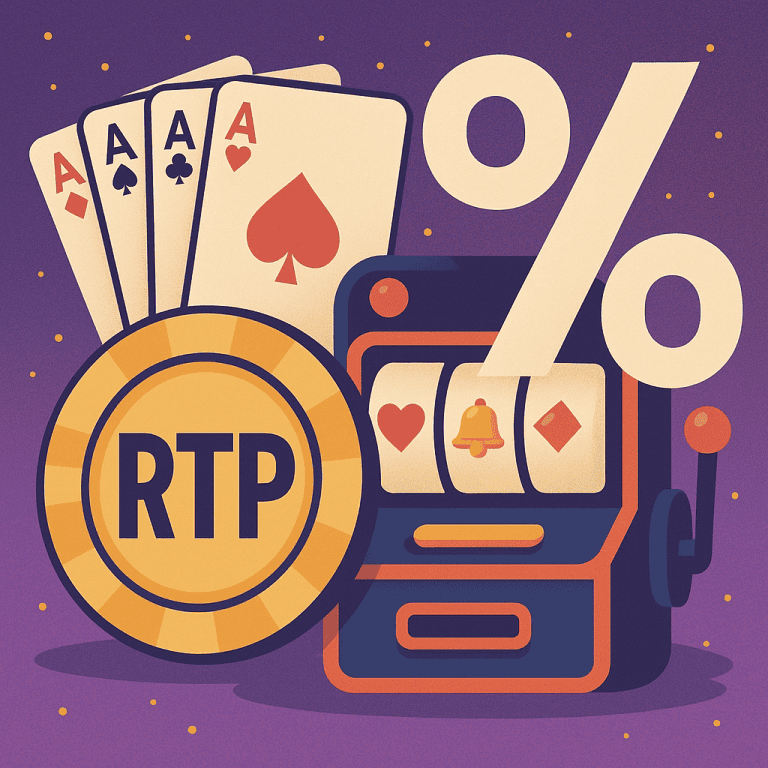
RTP stands for Return to Player. It shows the percentage of all wagered money a slot machine is expected to pay back to players over time. The number is based on millions of spins and doesn’t reflect short-term outcomes.
For example, a slot with an RTP of 96 percent will theoretically return $96 for every $100 wagered. The remaining $4 is the casino’s house edge. RTP is calculated by simulating billions of spins and averaging the result.
The final figure depends on the slot’s volatility, mechanics, bonus rounds, and win distribution. Game providers publish RTP values after internal tests and independent audits.
Where to Find RTP Values
Most licensed casinos display RTP in the game rules or paytable. Some also include it in the slot’s info window or help section. If not shown on the casino site, the game provider’s official documentation can be a source.
In regulated markets, operators are often required to disclose RTPs for transparency. However, some providers offer flexible RTP ranges. In that case, the actual percentage depends on how the casino configures the game.
What RTP Does Not Guarantee
A high RTP doesn’t mean players will win more in the short term. It only reflects the expected return over a long statistical sample. A session can still result in a complete loss or a big win regardless of the stated RTP.
Volatility plays a major role. Two slots with the same RTP can behave very differently. One might offer frequent small wins, the other rare but large payouts. Players should consider both RTP and volatility when choosing a game.
Why RTP Matters for Casinos

Operators rely on RTP to calculate expected profit margins. A slot with lower RTP provides a higher house edge, but may drive away savvy players. Balancing payout rates with engagement is a key part of casino strategy.
Casinos also use RTP data for bonus planning, VIP segmentation, and retention offers. Knowing which games attract different types of players helps tailor promotions and loyalty programs.
Final Thoughts
RTP is not just a number in the fine print. It is a core metric that shapes both the player experience and the casino’s business model. Understanding how it works leads to smarter choices on both sides of the screen.